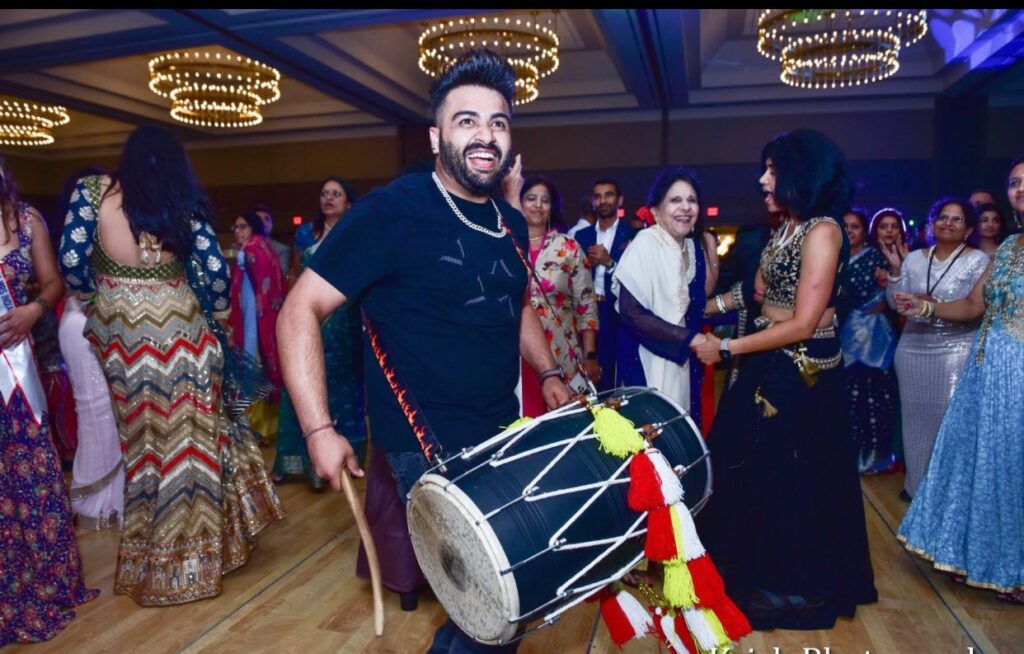
The dhol is a large, double-headed drum that has become a defining symbol of South Asian music and celebration. Known for its deep, resonant beats and vibrant rhythms, the dhol is central to many cultural, religious, and festive events across the Indian subcontinent. Its rich history spans centuries and reflects the diverse traditions of the region.
Ancient Origins and Evolution
The dhol’s exact origins are difficult to pinpoint, but drums similar to the dhol have been used across South Asia since ancient times. Images of drummers playing barrel-shaped drums appear in temple carvings dating back hundreds of years, highlighting the instrument’s longstanding cultural significance.
The word “dhol” is believed to have Persian roots, possibly derived from “dohol” or “duhul,” but the instrument itself evolved through cultural exchange among Indo-European and local traditions. Over generations, the dhol has been refined in design and playing style, adapting to regional customs.
Regional Variations
The dhol varies significantly across South Asia:
- Punjabi Dhol: Iconic in the Punjab region of India and Pakistan, it features prominently in Bhangra music and dance. Played with two sticks, it produces powerful bass and treble tones.
- Bengali Dhak: Used in Bengali religious festivals like Durga Puja, this variation involves unique playing techniques and rhythms.
- Assamese Dhol: Central to Bihu festivals, the dhol here is integral to dance and musical traditions celebrating the Assamese culture.
- Maharashtrian Dhol: Featured prominently during Ganesh Chaturthi celebrations and other folk music.
Each region’s dhol carries distinct stylistic nuances, reflecting local heritage and musical preferences.
Cultural Significance
The dhol is much more than just an instrument; it embodies celebration, community, and cultural identity. From weddings and harvest festivals to religious ceremonies and folk dances, the dhol’s dynamic rhythms unite people in joy and festivity.
It is traditionally played during key moments such as:
- Wedding processions (baraat)
- Harvest and spring festivals like Vaisakhi and Bihu
- Folk dance performances, including Bhangra and Gidda
- Religious and cultural ceremonies across various South Asian communities
Modern Influence and Global Reach
Today, the dhol transcends regional boundaries. With the South Asian diaspora, it has gained international recognition, integrating into contemporary fusion music and global festivals. Modern players experiment with electronic amplification and innovative techniques, ensuring the dhol’s legacy continues vibrantly.
The dhol’s powerful beats and cultural depth make it a timeless instrument, symbolizing tradition and celebration in South Asia and across the world.