
Baraat Dhol Timeline: Planning Your Wedding Procession
The baraat is the moment many guests remember most, and it is also easy to get wrong when it is not scheduled. A solid baraat dhol timeline keeps the procession on schedule, the music strong, and the families relaxed. The times below are examples to adapt, not rules, because every venue and family runs differently.
What a Baraat Dhol Timeline Needs to Cover
A baraat is a moving event with several people depending on each other: the groom’s family, the dhol player, the venue, the photographer, and often a horse or car. A timeline simply makes sure each of them knows when to be where.
Before you set times, confirm three things: the starting point, the route to the entrance, and the time the ceremony is meant to begin. Everything else works backward from those.
Step 1: Fix the Start and End Points
Decide where the baraat gathers and where it ends, which is usually the venue entrance or the spot for the milni, the meeting of the two families. A short, clear route is easier to manage than a long one. Walk it in advance if you can, and note any steps, curbs, or narrow sections.
Step 2: Build a Backward Schedule
Work backward from the time the families need to meet. A simple structure looks like this:
- Arrival and setup (before the procession): the dhol player arrives early enough to warm up and meet the family.
- Gathering: guests assemble and the groom gets ready.
- Procession: the baraat moves toward the venue with the dhol leading the energy.
- Milni: the two families meet at the entrance.
- Entry: guests move inside for the ceremony.
Leave extra time. Baraats often run longer than planned because the dancing is the point, and a rushed procession loses its atmosphere.
Step 3: Decide How Long the Procession Should Run
There is no fixed length, and the right duration depends on distance, weather, and how much dancing your family wants. A short procession can be tight and powerful, while a longer one gives more people time to join in. Tell the performer how long you want the music, and plan a buffer so the ceremony is not pushed late.
Step 4: Confirm Venue Rules and Permissions
This is the step people skip. Check with the venue about where a baraat is allowed, whether amplified or loud percussion is permitted at that time, and whether the procession can use a parking lot or driveway. If the baraat will use a public street, ask whether a permit or any notice to the city is needed. The right office depends on your city, so confirm with the venue and local authorities rather than assuming.
Step 5: Plan for Weather and Surface
Outdoor processions depend on conditions. In Houston, fall days can still be warm and humid, and rain is always a possibility, so ask your venue about a covered backup. Also think about footing, since dancing on uneven ground in formal shoes can be a problem.
Step 6: Brief Everyone Together
Share a one-page schedule with the family, the photographer, the venue contact, and the dhol player. Name one person to cue the start so the timing does not rely on guesswork.
Working With Your Dhol Player
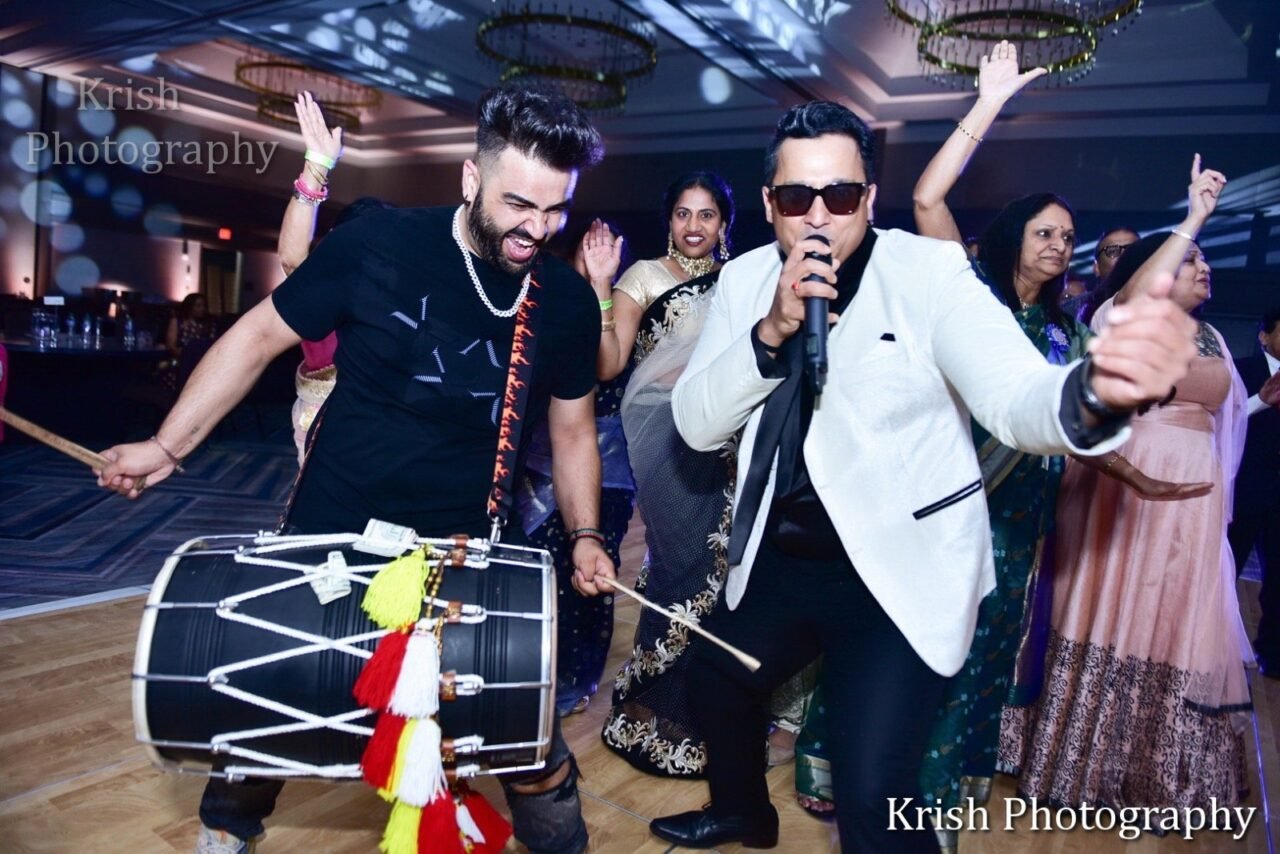
A dhol player does more than play. A good one reads the crowd, builds energy in stages, and knows when to bring the beat down as the families meet. Zubair Firoz has 25+ years on the dhol and lists the baarat among the events he performs at, so share your timeline with him early and ask how he would pace the procession.
To see how different events call for different approaches, read Baraat, Sangeet, or Garba: What “Best Dhol Player” Actually Looks Like at Each.
Book a Dhol Player for Your Baraat
For availability and a quote, reach out through WhatsApp, call +1 (832) 727-6349, or email kutchidholi@gmail.com. Send your date, city, and planned start time so the timeline can be built around your day.